
Guilds of Galdur
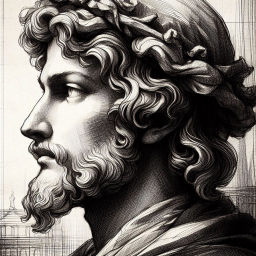 In Galdur, nothing is ever as it seems. Vigilance is essential, for every word hides deeper meaning and every step is fraught with risk. One misstep can strip away wealth, tarnish family honor, or bring an untimely death at a rival's hand.
Founded over seven centuries ago as a humble coastal trading post, Galdur has grown into a maritime powerhouse through shrewd diplomacy, strategic alliances, and sheer fortune. By the 10th century, the Republic of Galdur reigned supreme among the Eastern Marches, its fleets dominating the crucial trade routes linking the northern kingdoms to the imperial provinces in the south.
In the 11th century, the signing of the Golden Concord between the powerful House of Valtur and the Church of Iro cemented Galdur's influence in the region for centuries to come. This alliance balanced the ambitions of the nobility and the clergy, enabling Galdur to expand both its military might and cultural reach. The merchant class flourished, establishing far-flung colonies in places like Heradia and Serendi.
The 14th century brought the War of Three Crowns, a bloody struggle between Galdur and its rival city-state, Beleria, for control of the lucrative tin mines of Ostamar. Although Galdur triumphed, the victory was costly—a plague ravaged the city in the war’s aftermath, claiming nearly half its population. Amidst the devastation, the Guilds rose to prominence, using their wealth to stabilize the economy and carve out their own spheres of influence alongside the entrenched nobility.
By the 16th century, Galdur had reached its cultural apex, becoming a shining beacon for artists, philosophers, and architects under the patronage of the illustrious House of Tebrus. This Age of Splendor birthed enduring masterpieces such as the Temple of Anarius and the works of the renowned poet Caelia de Revain.
Yet beneath the city's grandeur, old rivalries fester. In recent decades, tensions between the nobility, guilds, and the commoners have begun to destabilize the fragile balance of power. As Galdur teeters on the edge, the republic faces a crossroads: will it rise to new heights or descend into chaos?
Guilds of Galdur is intended to be a long, slow burn. It will center around politics, family, trade and economics, and faction conflict. The following features are currently in the works for this project:
1. Dynamic Factions: Develop a detailed system for the four main factions (Nobility, Church, Guilds, Commons). Give each unique strengths, weaknesses, and goals. Allow players to align with or play as members of these factions.
2. Economic Simulation: Create a simplified trade and economy system. Players could invest in trade routes, negotiate deals, or manipulate markets. This could involve resource management and risk assessment.
3. Diplomacy Mechanics: Implement a system for alliances, treaties, and negotiations. Players could engage in backroom deals, form coalitions, or betray allies for personal gain.
4. Reputation and Influence: Track characters' standing with different factions and key figures. This could affect their ability to gather information, make deals, or sway others.
5. Information Network: Create an espionage system where players can gather intelligence, spread rumors, or engage in misinformation campaigns.
6. Random Events: Regularly introduce historical events, natural disasters, or political upheavals that players must react to, forcing them to adapt their strategies.
7. Cultural Flavor: Incorporate elements of Galdur's rich history into gameplay. Players could sponsor artists, engage in philosophical debates, or use cultural knowledge for political advantage.
8. Naval Gameplay: Given Galdur's maritime nature, include mechanics for naval trade, warfare, and exploration.
9. Character Roles: Allow players to take on various roles within the city-state, such as merchants, spies, military leaders, or religious figures, each with unique abilities and challenges.
10. Conflict Resolution: Develop a system for resolving both political and military conflicts that balances strategy, resources, and chance.
11. Long-term Consequences: Ensure that players' decisions have lasting impacts on the game world, shaping Galdur's future over multiple "turns" or sessions.
Want to see more? Sign up or log in to read the full game, post, and play — you'll land right back here.